
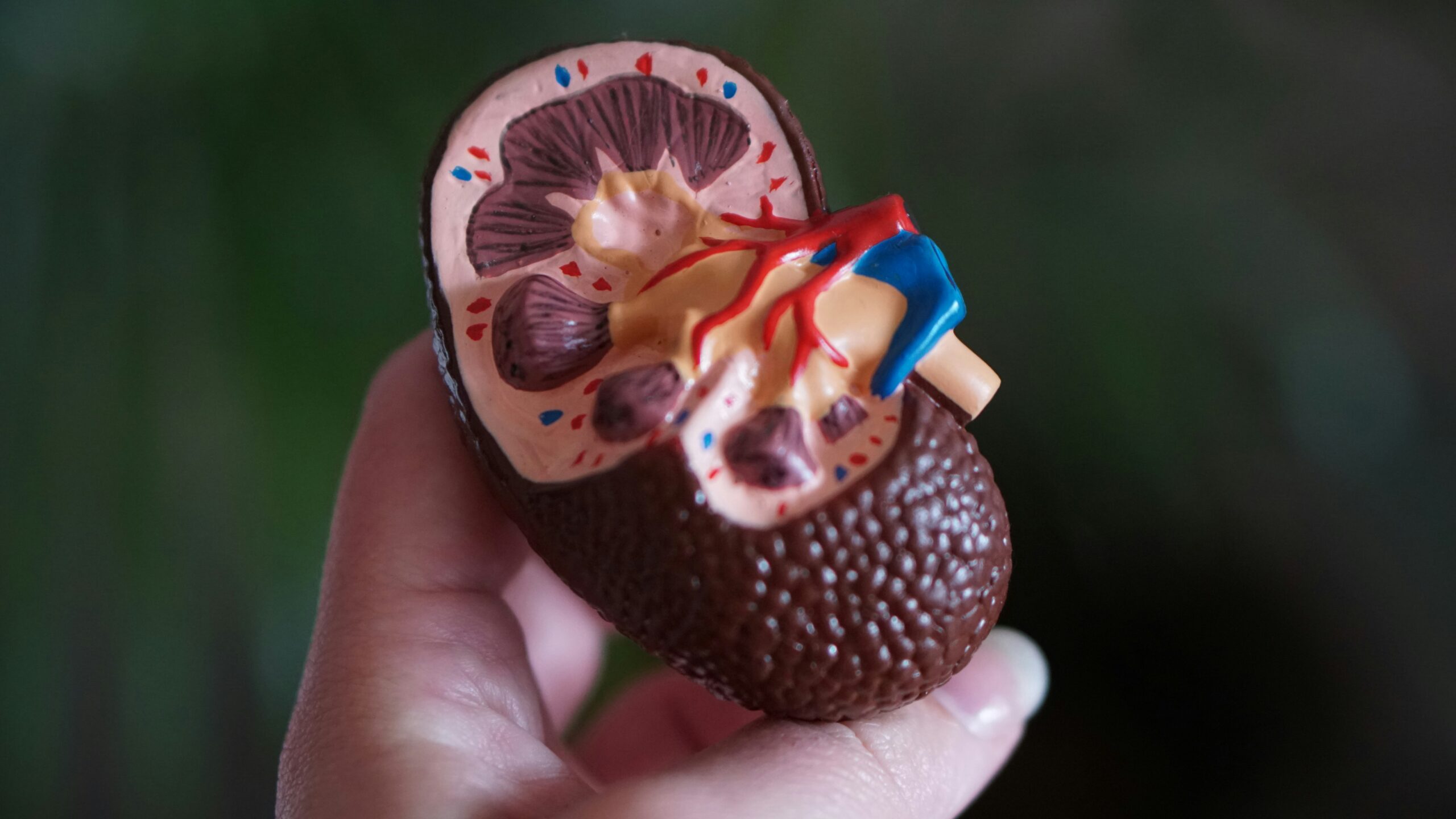
Rising Incidence of Kidney Stones in Children
The incidence of kidney stones in children has been steadily rising over the past two decades.
A study published in the Journal of Pediatrics reveals a 4% annual increase in pediatric kidney stone cases in the United States. Hospitals are reporting more cases in children, with adolescents being the most affected group. While kidney stones were once considered rare in children, they now account for up to 10% of all pediatric urology visits.
Causes of Kidney Stones in Children
Several factors contribute to the rise in kidney stones among children:
- Dietary Changes: Increased consumption of processed foods, sugary beverages, and high-sodium snacks is a major contributor. High sodium levels lead to calcium excretion in the urine, a key factor in stone formation.
- Dehydration: Many children do not drink enough water. Insufficient hydration concentrates the urine, increasing the risk of stone formation.
- Obesity: The growing prevalence of obesity in children is linked to metabolic changes that increase the risk of kidney stones.
- Genetic Factors: A family history of kidney stones can also elevate a child’s risk, indicating a potential genetic predisposition.
- Underlying Medical Conditions: Conditions like urinary tract infections (UTIs), certain metabolic disorders, or congenital abnormalities in the urinary tract can predispose children to kidney stones.
Symptoms of Kidney Stones
Recognizing the symptoms of kidney stones is critical for timely treatment. Symptoms may include:
- Severe abdominal, back, or side pain
- Blood in the urine (hematuria)
- Frequent or painful urination
- Nausea and vomiting
- Restlessness and irritability
Prevention Strategies
Preventing kidney stones involves lifestyle and dietary changes:
- Hydration: Proper hydration helps dilute urine and prevent crystal formation.
- Healthy Diet: Limit high-sodium foods and promote a balanced diet rich in fruits, vegetables, and whole grains. Adequate calcium intake through food (not supplements) can reduce stone risk.
- Reduced Sugar Intake: Minimize sugary drinks and snacks, which can contribute to stone formation.
- Active Lifestyle: Encourage regular physical activity to maintain a healthy weight and overall well-being.
When to See a Pediatrician
Immediate pediatric medical attention is crucial if a child exhibits any of the following:
- Persistent or severe pain in the abdomen, back, or side
- Blood in the urine
- Difficulty urinating or a significant change in urinary patterns
- Signs of infection, such as fever or chills
Early diagnosis through imaging and urine tests can prevent complications and guide appropriate treatment.


Comments are closed.