
Measles Outbreak in Florida: What Parents Need to Know to Protect Their Children
Measles Outbreak in Florida Key takeaways for parents
- Measles is highly contagious and can be serious.
- Early symptoms look like a cold, followed by a distinctive rash.
- Vaccination (MMR) is the most effective prevention and protects both your child and the community.
Understanding the Measles Outbreak in Florida
Measles cases have reappeared in parts of Florida, prompting understandable concern among parents. Measles is a viral illness that spreads through the air when an infected person coughs or sneezes. Because it can linger in the air for hours, outbreaks can grow quickly—particularly in settings with low vaccination rates.
What Is Measles?
Measles (rubeola) is a highly contagious respiratory virus. Children without immunity are most at risk. While many recover with supportive care, measles can lead to serious complications, especially in infants, pregnant individuals, and those with weakened immune systems.
Measles Symptoms in Children (What to Watch For)
Early Measles Symptoms (7–14 days after exposure)
- Fever (often high)
- Cough
- Runny nose
- Red, watery eyes (conjunctivitis)
Rash and Progressive Signs
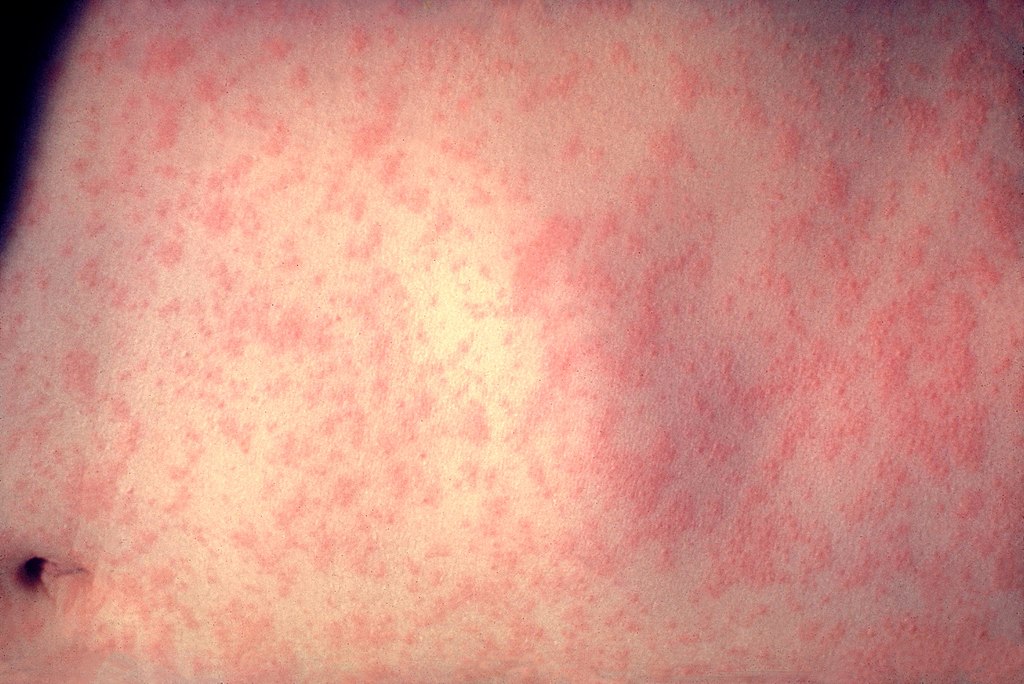
- A red, blotchy rash starting on the face and spreading downward
- Small white spots inside the mouth (Koplik spots)
- Worsening fatigue and discomfort
Tip for parents: If your child has a fever and rash—especially after known exposure—call your pediatrician before coming in so we can guide next steps and reduce exposure to others.
How Serious Is Measles?
Measles can be more than “just a rash.” Possible complications include:
- Ear infections
- Pneumonia
- Diarrhea and dehydration
- Brain inflammation (encephalitis), which is rare but severe
Infants under 12 months—who may be too young for complete vaccination—are particularly vulnerable.
Treatment: What Helps a Child with Measles?
There is no specific antiviral cure for measles. Treatment focuses on supportive care:
- Rest and fluids to prevent dehydration
- Fever control as advised by your pediatrician
- Monitoring for complications
Antibiotics do not treat measles but may be used if a secondary bacterial infection develops.
Prevention: The Best Protection Against Measles
Vaccination (MMR)
The MMR vaccine (measles, mumps, rubella) is the most effective protection:
- First dose: 12–15 months
- Second dose: 4–6 years
The vaccine is safe, well-studied, and highly effective.
Additional Prevention Tips
- Keep sick children home
- Wash hands frequently
- Avoid exposure during outbreaks
- Talk with your pediatrician if your infant is too young to be vaccinated but may have been exposed
We Are Here
If you have questions about measles, vaccinations, or your child’s symptoms, contact West Coast Pediatrics today. Our pediatric team is here to provide trusted guidance, timely care, and peace of mind for your family.


Comments are closed.