
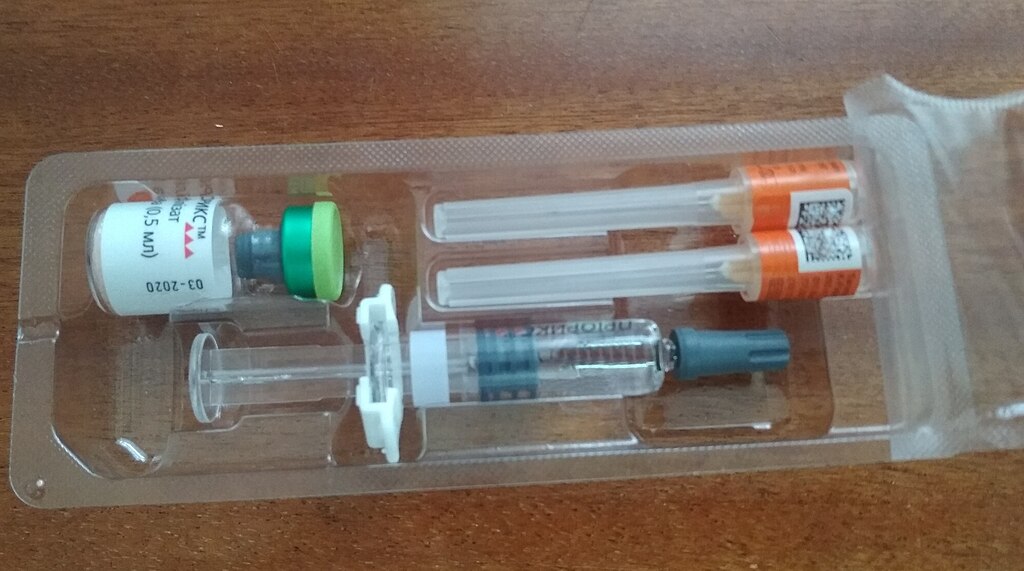
MMR Vaccine: Protecting Children from Measles, Mumps, and Rubella
- The MMR vaccine safely protects children against measles, mumps, and rubella, three highly contagious viral illnesses.
- It has a long history of safety and effectiveness, with decades of monitoring and research.
- Following the recommended vaccination schedule is one of the most effective ways to protect your child and the community.
A Brief History of the MMR Vaccine
How the Vaccine Was Developed
The individual vaccines for measles, mumps, and rubella were developed in the 1950s and 1960s. In 1971, they were combined into a single MMR vaccine, making immunization more efficient and improving vaccination rates.
Impact on Public Health
Before vaccination, measles alone caused hundreds of deaths and thousands of hospitalizations annually in the U.S. Since the introduction of widespread MMR vaccination, cases of measles, mumps, and rubella have dropped by more than 99%, demonstrating the vaccine’s profound public health impact.
What Does the MMR Vaccine Protect Against?
Measles
Measles is a highly contagious respiratory virus that can lead to pneumonia, brain inflammation, and death. Even healthy children can experience severe complications.
Mumps
Mumps commonly causes swelling of the salivary glands but can also lead to meningitis, hearing loss, and, in rare cases, infertility.
Rubella
Rubella is usually mild in children but can cause devastating congenital disabilities if a pregnant person becomes infected.
MMR Vaccination Schedule for Children
The Centers for Disease Control and Prevention (CDC) recommends the following schedule:
- First dose: 12–15 months of age
- Second dose: 4–6 years of age
This schedule provides long-lasting immunity during the years children are most vulnerable. Catch-up vaccination is available for children and adolescents who missed earlier doses.
👉 Learn more about recommended immunizations on our Immunizations page
MMR Vaccine Safety and Effectiveness
Is the MMR Vaccine Safe?
Yes. The vaccine has been extensively studied and monitored for decades. It is considered very safe and effective. Most side effects are mild and temporary, such as a sore arm or low-grade fever.
Addressing Common Concerns
Extensive, well-designed studies involving hundreds of thousands of children have shown no link between the MMR vaccine and autism. Medical organizations worldwide continue to support MMR vaccination as a critical tool for disease prevention.
Why Vaccination Matters for the Community
Vaccination not only protects your child but also helps prevent outbreaks by supporting community immunity. This is especially important for infants, pregnant individuals, and children with weakened immune systems who may not be able to receive vaccines themselves.
Frequently Asked Questions About the MMR Vaccine
Is the MMR vaccine required for school?
In most states, the MMR vaccine is required for school attendance, with limited medical or religious exemptions. These requirements help reduce outbreaks and protect vulnerable populations within schools and childcare settings.
What side effects should I expect after MMR vaccination?
Most children experience no side effects. Some may develop mild fever, rash, or soreness at the injection site. Severe reactions are infrequent, and the benefits of vaccination far outweigh the risks.
Can my child receive the MMR vaccine if they are sick?
Children with mild illnesses, such as a cold, can usually receive the MMR vaccine safely. If your child has a moderate or severe illness, your pediatrician may recommend waiting until they recover.
Does my child need a booster later in life?
For most people, the two-dose childhood series provides lifelong protection. Certain adolescents or adults may need additional doses based on travel, outbreaks, or healthcare exposure.
Protect Your Child
If you have questions about the MMR vaccine, your child’s vaccination schedule, or vaccine safety, the team at West Coast Pediatrics is here to help.
Schedule an appointment today to ensure your child is protected against measles, mumps, and rubella.


Comments are closed.