
Surge in Hand, Foot, and Mouth Disease
Summer 2025 Sees Surge in Hand, Foot, and Mouth Disease (HFMD) Cases: What Parents Need to Know
Hand, Foot, and Mouth Disease Summary:
- Rising hand, foot, and mouth disease (HFMD) cases have been reported across Florida this summer.
- Symptoms include fever, mouth sores, and rash on hands and feet.
- Learn when to seek pediatric care and how to manage symptoms at home.
Recognizing the Symptoms of HFMD
Early Signs to Watch For
Parents should be on the lookout for these early symptoms:
- Low-grade fever
- Sore throat
- Reduced appetite
- General discomfort or irritability in infants
Painful mouth sores may develop within a couple of days, followed by a rash on the hands, feet, and sometimes buttocks or legs.
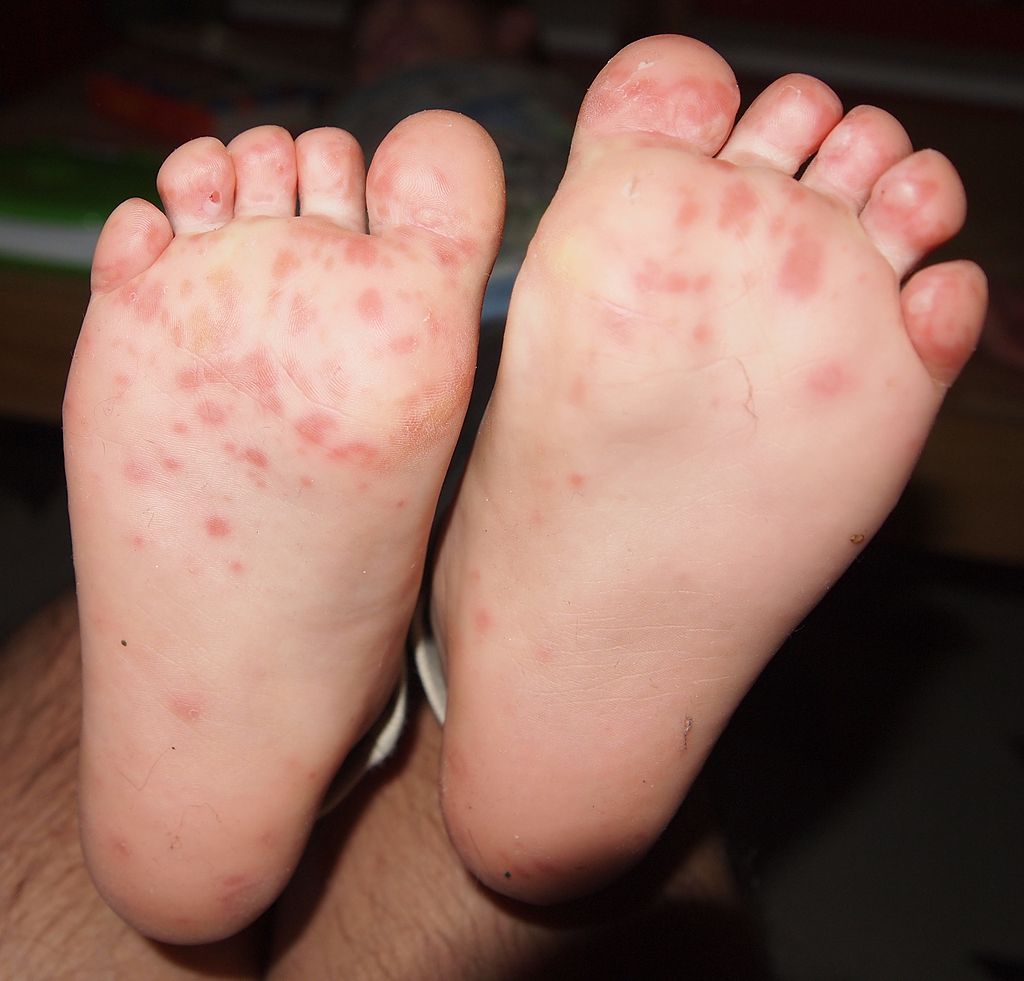
What Does the Rash Look Like?
The HFMD rash typically appears as red spots that may blister but usually don’t itch. It’s most noticeable on palms, soles, and around the mouth.
Treatments and At-Home Care for HFMD
Managing Symptoms at Home
While there is no specific antiviral treatment for HFMD, most cases resolve within 7 to 10 days. Pediatricians recommend:
- Acetaminophen or ibuprofen for fever and pain relief (avoid aspirin)
- Hydration with cool fluids
- Soft, soothing foods (avoid acidic or spicy items)
Encourage good hygiene to prevent the spread, including frequent handwashing and disinfecting surfaces.
When to See a Pediatrician
You should contact your pediatrician if:
- Symptoms worsen after a few days
- Your child is unable to stay hydrated
- Fever lasts more than 3 days
- Breathing becomes labored, or a rash appears infected
At West Coast Pediatrics, we help diagnose and guide your child’s care.
FAQs About HFMD
- Is hand, foot, and mouth disease contagious?
Yes. HFMD spreads through saliva, fluid from blisters, or contact with contaminated surfaces. It’s highly contagious in childcare settings. - Can adults get HFMD?
While rare, adults can contract HFMD, typically experiencing milder symptoms. Good hygiene helps prevent adult transmission. - Can a child get hand, foot, and mouth disease more than once?
Yes. Different viruses can cause HFMD, so reinfection is possible, although it is often less severe. - How long should my child stay home from daycare or school?
Children should stay home until fever subsides and mouth sores heal—usually around 5–7 days. - What helps soothe the mouth sores?
Offer cold drinks, ice pops, or yogurt. Avoid citrus or salty foods that may irritate sores.
Protect Your Family from Summer Illness
If your child shows signs of hand, foot, and mouth disease or is struggling with symptoms, don’t wait. Contact West Coast Pediatrics for expert care and compassionate support. We’re here to keep your child healthy all summer long.


Comments are closed.