
The Rising Concern of Caffeine Exposure in Children
Caffeine consumption among children has increased in recent years, raising concerns about the potential health consequences of excessive intake. Once primarily found in coffee and tea, caffeine is a common ingredient in various products marketed toward young consumers. As a result, children are unknowingly exposed to dangerous levels of caffeine, leading to a host of potential health risks. Here is some information on caffeine exposure in children.
Sources of Caffeine in Children’s Diets
Today, several products consumed by children contain significant amounts of caffeine:
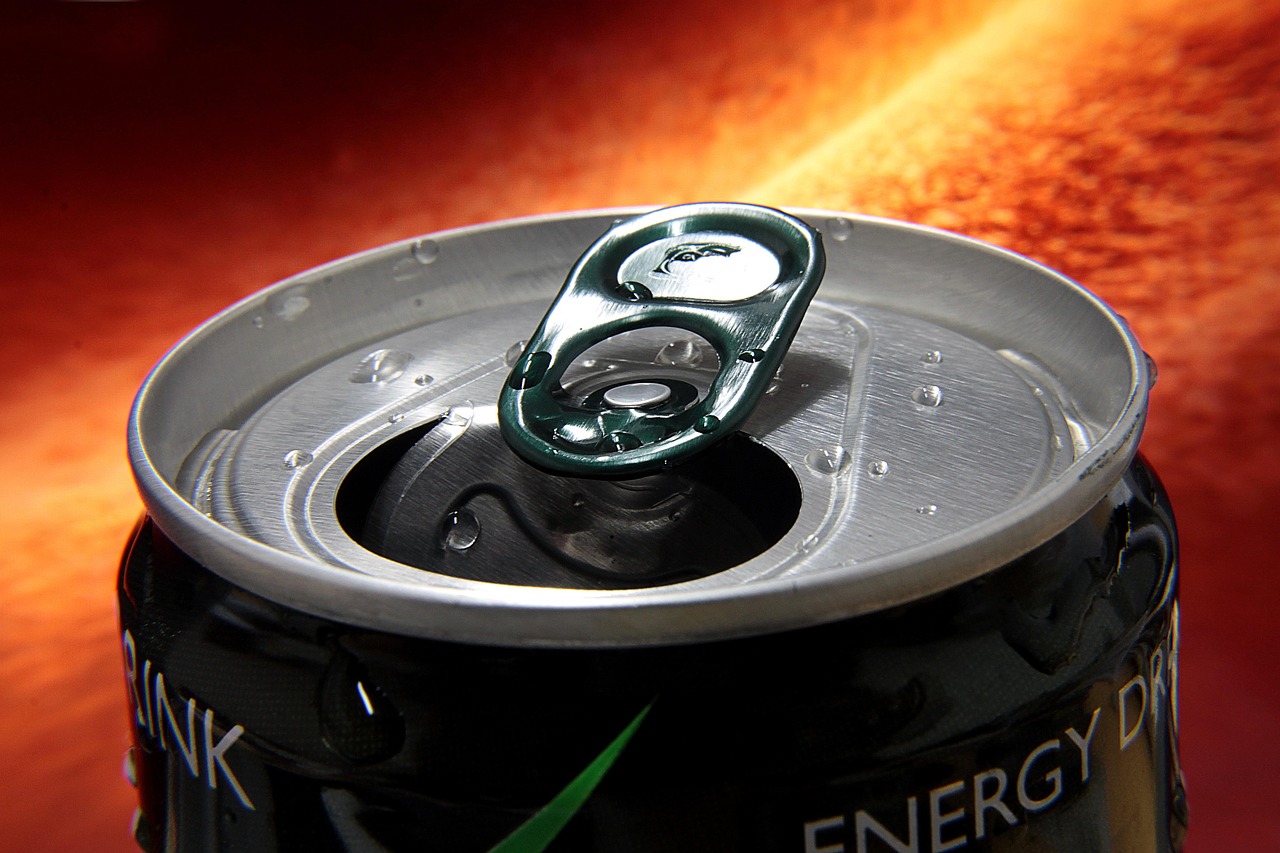
- Energy Drinks – Many energy drinks contain high levels of caffeine, sometimes exceeding the recommended daily limit for children in a single serving.
- Soft Drinks – Popular sodas often contain caffeine, contributing to a child’s daily intake.
- Flavored Waters and Teas – Some bottled teas and flavored waters now include caffeine.
- Medications – Certain over-the-counter pain relievers and cold medications contain caffeine as an active ingredient.
Effects of High Caffeine Intake on Children
Children are more sensitive to caffeine than adults due to their lower body weight and developing nervous systems. The effects of excessive caffeine intake in children can be severe and include:
- Increased Heart Rate and Blood Pressure – High caffeine intake can lead to palpitations and an elevated heart rate, increasing the risk of cardiovascular issues in young children.
- Sleep Disruptions – Caffeine is a stimulant that can interfere with sleep patterns, leading to insomnia, restlessness, and fatigue.
- Anxiety and Nervousness – Overconsumption of caffeine can trigger jitteriness, nervousness, and even panic attacks in some children.
- Digestive Issues – Caffeine is known to cause stomach irritation, nausea, and acid reflux in sensitive individuals, including young children.
- Behavioral Problems – Studies have linked high caffeine intake to hyperactivity, difficulty concentrating, and impulsive behavior in children.
- Increased Risk of Addiction – Regular consumption of caffeine can lead to dependence, causing withdrawal symptoms such as headaches, irritability, and difficulty focusing when caffeine intake is reduced.
Reducing Caffeine Exposure in Children
Here are some steps to minimize intake:
- Check Labels – Read ingredient lists on beverages and snacks to identify hidden sources of caffeine.
- Promote Healthy Alternatives – Encourage children to drink water, milk, or caffeine-free herbal teas instead of caffeinated beverages.
- Set Limits on Energy and Soft Drinks – Reduce or eliminate the consumption of sodas and energy drinks at home.
- Educate Children on the Risks – Teach children about the effects of caffeine on their bodies and encourage them to make healthier choices.
The increased caffeine exposure in children poses significant health risks that should not be overlooked. With caffeine now present in a wide range of products, parents and guardians must take proactive steps to monitor and limit their children’s intake. By promoting awareness and encouraging healthier beverage and food choices, we can help protect children from the adverse effects of excessive caffeine consumption and ensure their long-term well-being.


Comments are closed.