
The Recent Rise of RSV Cases in Infants: What Parents Need to Know
Rise of RSV Summary
- RSV (Respiratory Syncytial Virus) cases are rising among infants, leading to increased hospitalizations nationwide.
- Early detection is crucial—RSV symptoms often mimic those of the flu and COVID-19.
- Learn how RSV is diagnosed, treated, and when to seek medical care for your child.
Understanding the Rise of RSV in Infants
Respiratory Syncytial Virus (RSV) is a common respiratory illness that primarily affects infants and young children, particularly during the fall and winter months. Recently, pediatric practices across the U.S. have reported a sharp increase in RSV cases, resulting in crowded emergency rooms and higher hospital admissions.
At West Coast Pediatrics, we want parents to understand the signs, treatments, and preventive measures that can keep their little ones safe.
What Is RSV and Why Is It Rising Now?
RSV is a contagious virus that infects the lungs and airways. It spreads through coughs, sneezes, and contaminated surfaces, similar to how the flu and COVID-19 spread.
The recent spike in RSV cases may be due to:
- Increased indoor gatherings
- Seasonal respiratory illness overlap (RSV, flu, and COVID-19 circulating simultaneously)
RSV Symptoms in Infants
RSV symptoms can range from mild cold-like signs to severe respiratory distress. Parents should watch for:
- Persistent coughing or wheezing
- Runny nose and congestion
- Fever or decreased appetite
- Trouble breathing or rapid breathing
- Bluish lips or fingernails (seek immediate care)
Infants under six months or those born prematurely are at higher risk for complications.
How RSV Is Diagnosed
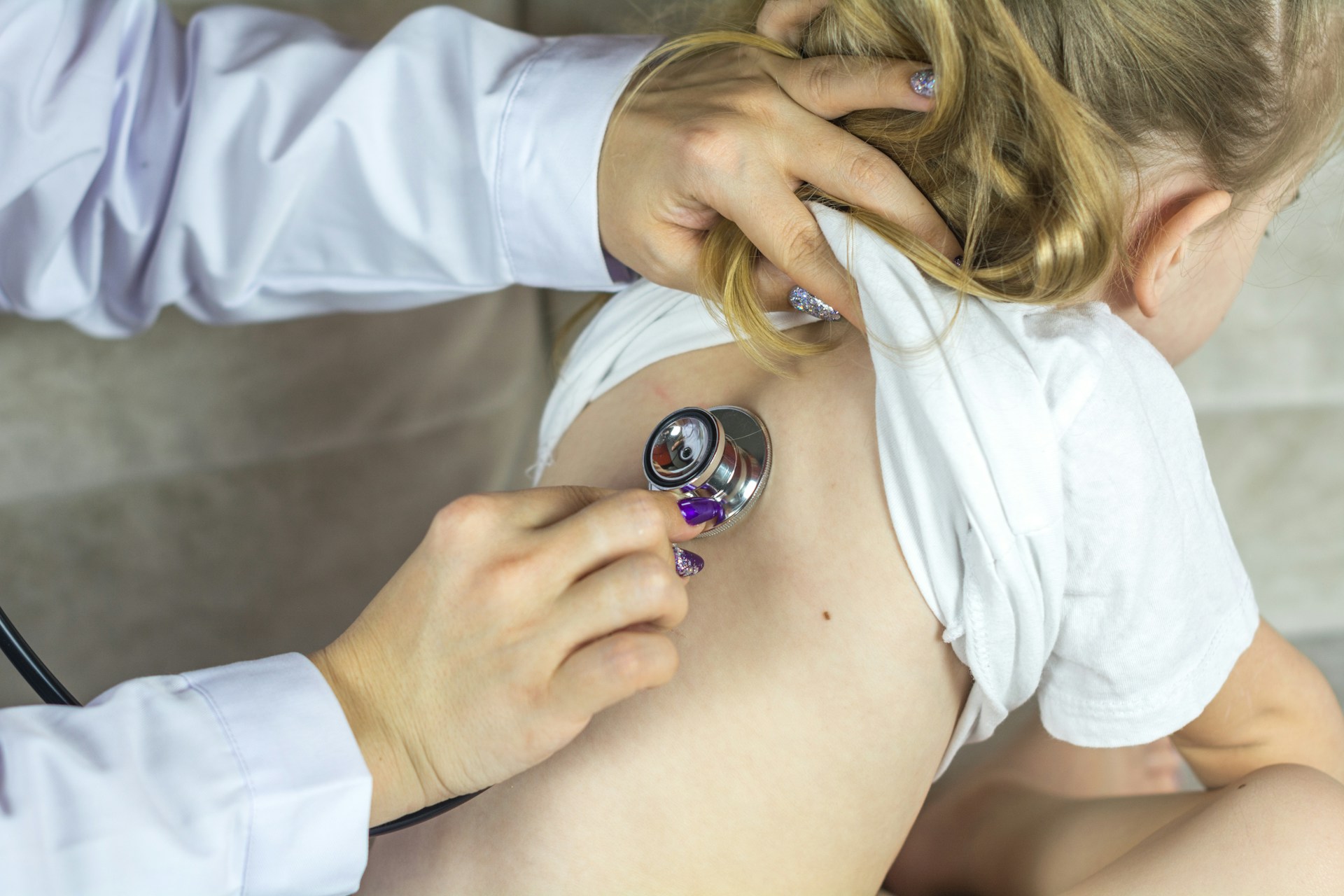
Doctors can diagnose RSV using a nasal swab test. Pediatricians may also assess oxygen levels, lung sounds, and breathing effort to determine the severity of illness.
If your child exhibits signs of breathing difficulty or dehydration, a medical evaluation is crucial.
Treatment and Care for RSV
There’s no specific antiviral medication for RSV:
- Plenty of fluids to prevent dehydration
- Use of a humidifier to ease congestion
- Nasal saline drops and gentle suction
- Rest and monitoring for worsening symptoms
Severe cases—especially in very young infants—may require hospitalization for oxygen support, IV fluids, or respiratory therapy.
Preventing RSV in Infants
While RSV can’t always be avoided, parents can take preventive steps:
- Wash hands frequently and sanitize toys and surfaces
- Keep infants away from sick individuals
- Avoid crowded public spaces during peak season
When to Seek Medical Attention
Contact your pediatrician or go to the emergency room if your baby:
- Has trouble breathing or pauses in breathing
- Can’t keep fluids down or shows signs of dehydration
- Appears unusually tired or unresponsive
- Develops a bluish tint to lips or skin
Prompt medical attention can prevent serious complications.
Don’t Wait!
If your child is showing cold-like symptoms or signs of RSV, don’t wait—contact West Coast Pediatrics today. Our team provides expert care for respiratory illnesses, from RSV to the flu and COVID-19, helping your child recover safely and comfortably.


Comments are closed.