
Whooping Cough Resurgence
In 2024, the United States experienced a significant whooping cough resurgence cases among children, marking a return to pre-pandemic levels and underscoring the critical importance of vaccination and public health awareness.
Statistical Overview
According to the Centers for Disease Control and Prevention (CDC), as of December 28, 2024, there were over 17,600 reported cases of pertussis, a substantial increase from the 3,962 cases reported during the same period in 2023.
This resurgence in Whooping Cough represents the highest incidence in a decade, with 2024 cases surpassing those reported in 2019 before the COVID-19 pandemic.
Notably, infants under one year exhibited the highest reported rates of pertussis, highlighting their increased vulnerability to the disease.
Symptoms
Whooping cough is a highly contagious respiratory infection caused by the bacterium Bordetella pertussis. Infants may not exhibit the typical “whoop” sound but can experience life-threatening pauses in breathing (apnea).
Treatment
Early diagnosis and treatment are crucial. Administering antibiotics during the initial stages can mitigate symptom severity and reduce transmission. Severe cases, especially in infants, may necessitate hospitalization for supportive care, including oxygen therapy and intravenous fluids.
Prevention
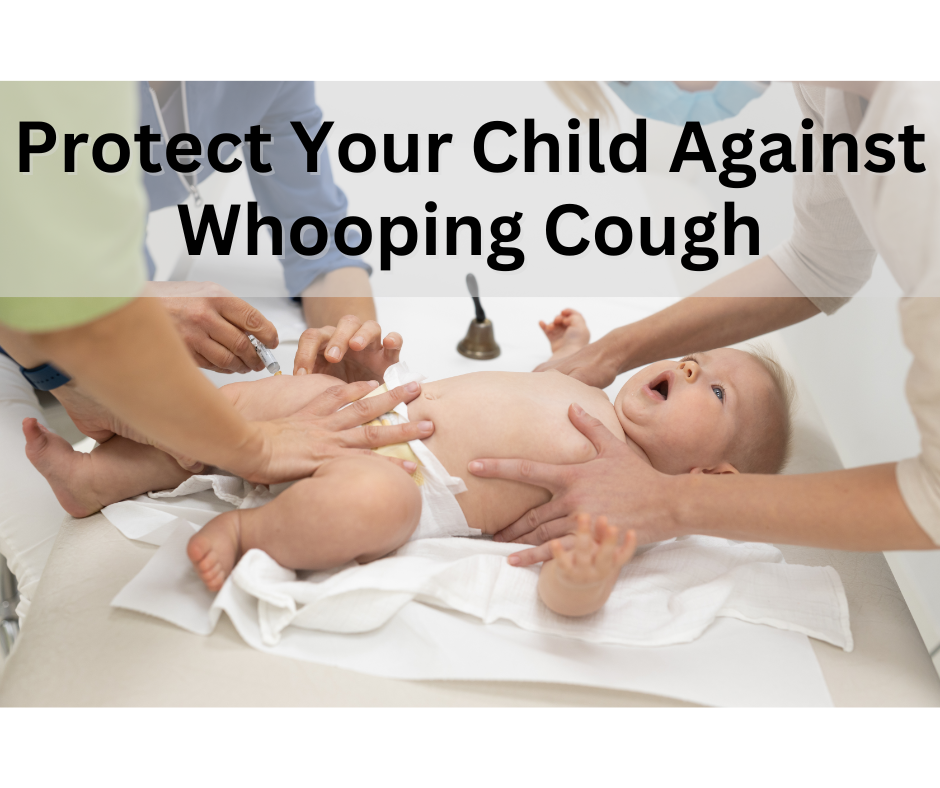
Vaccination remains the most effective defense against whooping cough. The CDC recommends the DTaP vaccine series for infants and children, with doses administered at 2, 4, 6, and 15-18 months and a booster at 4-6 years. Additionally, the Tdap booster is advised for adolescents and adults, including pregnant women during each pregnancy, to protect newborns. Maintaining high vaccination coverage is essential to safeguard vulnerable populations, particularly infants, at the highest risk for severe complications.
The 2024 resurgence in whooping cough cases is a stark reminder of the importance of vaccination and vigilant public health measures to prevent the spread of this potentially life-threatening disease. Contact your pediatrician to vaccinate your child against whooping cough or if your child is experiencing symptoms of whooping cough.


Comments are closed.