
Concussion
What is a concussion?
A concussion is a traumatic brain injury caused by a hit to the head or by a hit to the body causing the head and brain to move rapidly back and forth.
A person can have a concussion without losing consciousness. Children that play contact sports are at higher risk of receiving a concussion due to physical contact. Sports aren’t the only cause of concussions. A child could receive a concussion from any fall that jars the body or causes a blow to the head.
Signs of a Concussion
If your child displays any of these signs after a blow to the head or a jarring hit to the body, they may have a concussion or more serious brain injury.
- Can’t recall events before or after a hit or fall.
- Appears dazed or stunned.
- Forgets an instruction, is confused about an assignment or position or is unsure of the game, score, or opponent.
- Moves clumsily.
- Answers questions slowly.
- Loses consciousness (even briefly).
- Shows mood, behavior, or personality changes.
Concussion Symptoms
Symptoms generally show up soon after the injury to the brain but could take hours or days. Consequently, you should continue to check for signs of concussion for a few days after the injury.
- Headache or “pressure” in the head.
- Nausea or vomiting.
- Balance problems or dizziness, or double or blurry vision.
- Bothered by light or noise.
- Feeling sluggish, hazy, foggy, or groggy.
- Confusion, or concentration, or memory problems.
- Just not “feeling right,” or “feeling down”.
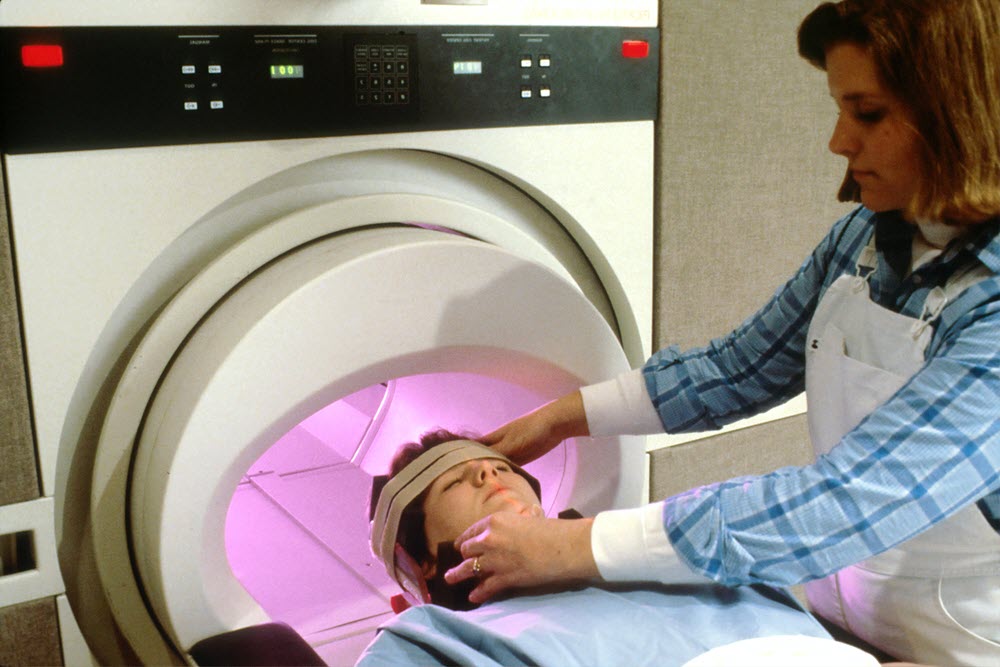
Concussions can be serious. If your child receives a blow to the head or a head jarring hit to the body, you should contact your pediatrician especially if they are displaying any of the above signs or symptoms. Your pediatrician will assess your child and determine if your child should have a brain scan to look for signs of a more serious brain injury.


Comments are closed.